Area Model and Distributive Property: A Visual Path to Multiplication Mastery
Multiplication can feel abstract for many students, especially when they encounter larger numbers or multi‑digit factors. The area model paired with the distributive property offers a concrete, visual approach that turns multiplication into a simple area calculation. This article explores how the area model works, why it matters in elementary math, and how to integrate it into classroom practice.
Why the Area Model Matters for Young Learners
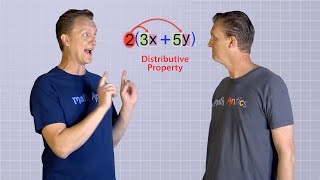
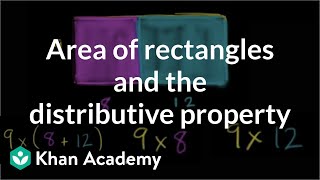
Fourth‑grade math students often need a bridge between rote calculation and conceptual understanding. By representing numbers as rectangles, the area model makes the hidden “parts” of multiplication visible. It also reinforces the distributive property, which states that a(b + c) = ab + ac. When students see the property in action, they gain confidence in breaking down complex problems into manageable pieces.
Key Benefits
- Concrete Visualization: Shapes replace abstract symbols.
- Conceptual Clarity: Students see how each digit contributes to the final product.
- Problem‑Solving Skills: The method can be extended to division, fractions, and algebra.
- Assessment Readiness: Many standardized tests ask students to explain or apply the distributive property.
Building an Area Model Step by Step
- Write the Numbers Side by Side. For 23 × 45, write 23 on top and 45 on the side.
- Split Each Number into Tens and Ones. 23 becomes 20 + 3, and 45 becomes 40 + 5.
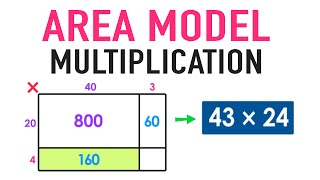
- Create the Grid. Draw a rectangle and divide it into four smaller rectangles, matching the tens and ones of each factor.
- Fill in the Sub‑Products.
- 20 × 40 = 800
- 20 × 5 = 100