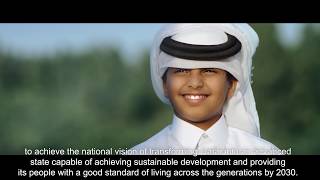
Qatar National Vision 2030: Shaping a Sustainable Future
The Qatar National Vision 2030 (QNV 2030) is the cornerstone of the country's long‑term development strategy. Launched in 2008, it outlines a comprehensive roadmap that balances economic growth, social development, environmental stewardship, and institutional excellence. By aligning public policies, private investment, and community initiatives, Qatar aims to transform itself into a diversified, knowledge‑based economy that can thrive beyond its hydrocarbon resources.
Four Pillars of the Vision
QNV 2030 rests on four interrelated pillars, each designed to reinforce the others:
- Economic Development: Diversify the economy, encourage innovation, and increase the contribution of non‑oil sectors.
- Social Development: Enhance education, health, and cultural life while preserving Qatari heritage.
- Environmental Management: Protect natural resources, promote sustainable practices, and mitigate climate impacts.
- Institutional Development: Strengthen governance, transparency, and legal frameworks to support the other pillars.
Key Milestones and Progress
Since its inception, Qatar has achieved notable milestones that reflect the vision’s impact:
- Investment in world‑class infrastructure, including the Hamad International Airport and the Doha Metro, which bolster connectivity and tourism.
- Growth of the education sector, highlighted by the establishment of Education City, hosting leading international universities.
- Expansion of renewable energy projects, such as solar farms, to diversify the energy mix.
- Implementation of robust legal reforms that improve the business environment and attract foreign investment.
Leadership Insight
سعادة السيد محمد عبد العزيز النعيمي، مساعد رئيس جهاز التخطيط والإحصاء، يتحدث عن رحلة إعداد استراتيجية التنمية الوطنية الثالثة، مؤكدًا أن الاستراتيجية تمثل استجابة شمولية للتحديات المستقبلية وتعزيزًا للقدرات الوطنية. According to his remarks, the third national development strategy builds on the achievements of QNV 2030, focusing on high‑value sectors, digital transformation, and inclusive growth.
Economic Diversification: An “Economy of Motion”
Qatar’s ambition to become an “economy of motion” reflects a dynamic shift toward sectors such as finance, technology, and tourism. The country envisions a future where the global financial capital could be Qatar, alongside traditional hubs like New York, London, or Hong Kong. Initiatives such as the Qatar Financial Centre (QFC) and the Doha International Financial Centre (DIFC) aim to attract multinational corporations and foster a vibrant financial ecosystem.
Education and Innovation
Education remains a cornerstone of QNV 2030. By investing in research institutions and fostering partnerships with global universities, Qatar is cultivating a skilled workforce ready for knowledge‑intensive industries. Programs