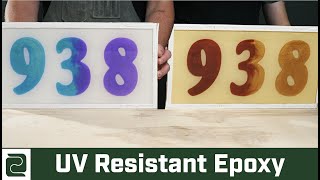
How To Prevent Epoxy Resin From Turning Yellow In Sunlight
A common question that artists, hobbyists, and DIY‑ers ask is why their once‑clear epoxy projects develop an unwanted amber hue after a few weeks of display. Have you been wondering why your tabletop, jewelry, or resin‑filled canvas looks like a vintage photograph rather than the pristine finish you expected? The culprit is usually a combination of ultraviolet (uv) exposure and a few easy‑to‑avoid mistakes during mixing, curing, and storage. This guide explains the science behind yellowing and provides practical steps to keep your epoxy crystal‑clear for years.
What Causes Epoxy to Yellow?
Epoxy resin is a thermosetting polymer that hardens through a chemical reaction between resin and hardener. While the cured material is generally stable, certain factors can trigger a slow oxidation process that manifests as a yellow or brown tint.
- UV Radiation: Sunlight contains high‑energy uv photons that can break molecular bonds in the cured resin, creating chromophores that absorb blue light and appear yellow.
- Heat and Light: Even indoor lighting that emits low‑level uv can accelerate discoloration when the piece is left in direct sunlight for extended periods.
- Impurities and Additives: Some pigments, dyes, or low‑quality hardeners contain compounds that are more sensitive to uv, leading to faster yellowing.
- Improper Mixing Ratios: An excess of hardener or resin leaves unreacted molecules that are prone to oxidation.